Top 10 Most Walkable Neighborhoods in Los Angeles
By Sean Hingco, Founder, Saktoo
A data-driven ranking of LA's 10 most walkable neighborhoods, scored across street connectivity, destination density, comfort, traffic safety, and transit access across 120 neighborhoods.
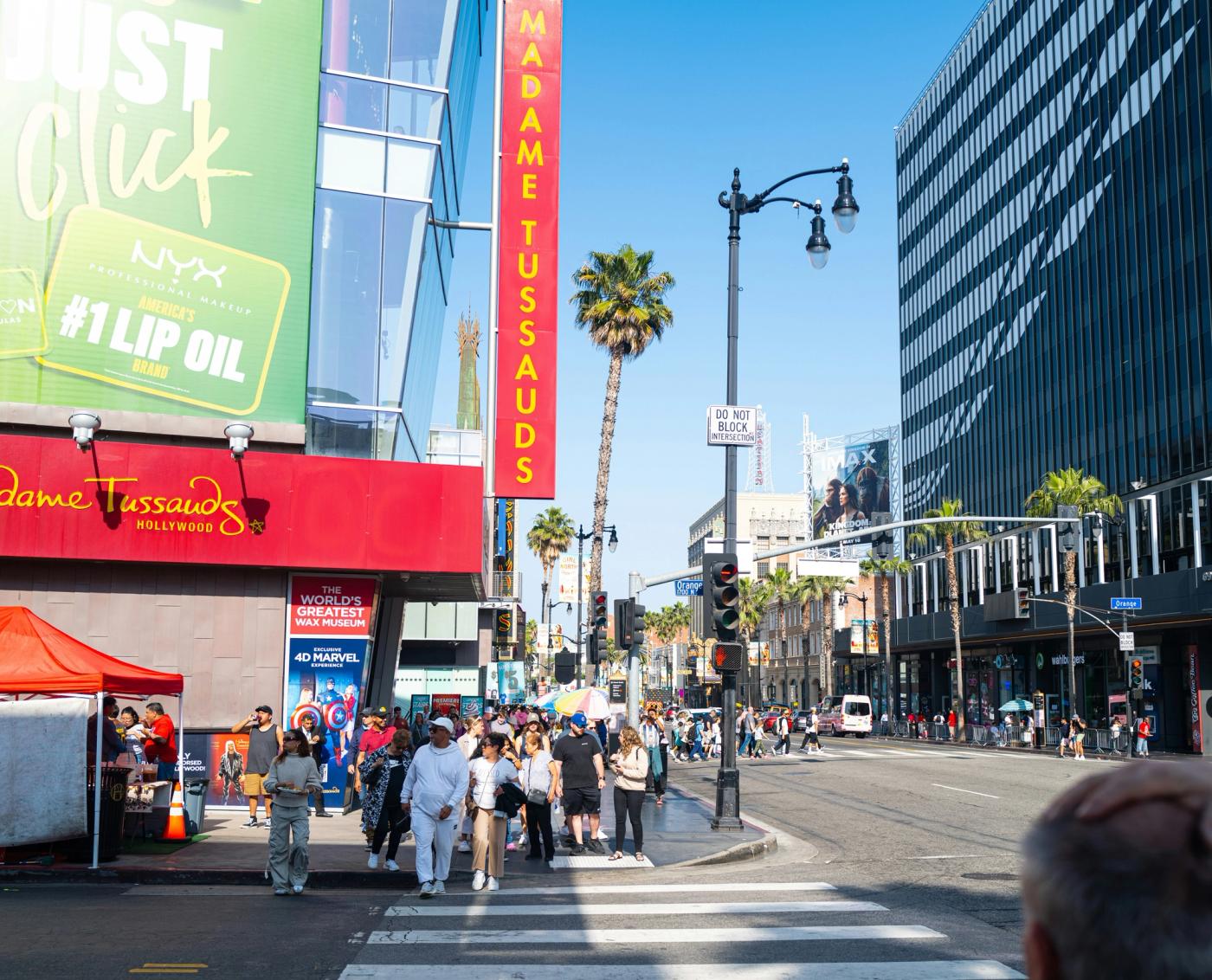
Los Angeles is not supposed to be walkable. You've heard everyone say it a thousand times. The sprawl, the cracked sidewalks, the scorching heat, the 405. But embedded inside the car city is a patchwork of neighborhoods where the street grid tightens, the sidewalks widen, and the errands are actually doable on foot.
We scored every LA neighborhood across five dimensions to find which areas were the most walkable: street connectivity (can you actually walk somewhere without dead ends?), destination density (is there anything worth walking to?), environmental comfort (shade, air quality, noise), traffic safety, and transit access. The results are more surprising than the clichés suggest.
Each dimension comes from a specific public dataset. Connectivity is measured from OpenStreetMap intersection geometry. The denser and more frequent the crossings, the higher the score. Destination richness counts restaurants, cafes, groceries, gyms, parks, and pharmacies within a 500-meter walk of each point in the neighborhood. Land use grades how well residential and commercial parcels are interleaved, using LA County parcel records. Comfort layers in tree canopy cover from the city's urban forestry data and a topographic slope penalty, because a street that's technically navigable but runs up a 15-percent grade is only walkable on paper. Safety inverts LADOT's High Injury Network data, the corridors where pedestrians are killed most frequently score lower. The five scores are normalized within each dimension and combined into a composite that weights connectivity and destination richness most heavily: those are the things that most directly determine whether you'll actually walk somewhere, as opposed to whether the walk is merely pleasant.
Here's a few things we deliberately didn't measure and why it matters. The neighborhood boundaries come from the LA Times' published geographic data, which reflects journalistic convention more than cultural geography. Little Tokyo, Historic Filipinotown, Leimert Park, Sawtelle Japantown, and a dozen other distinct communities don't appear in our rankings as standalone entries. They're absorbed into larger administrative areas. A neighborhood that might crack the top five sits invisible inside a broader boundary that averages lower as a whole. We also didn't measure sidewalk condition, curb cut density, or crosswalk signal timing: a grid that's technically navigable can have broken pavement and no ADA accommodations. Transit counts measure infrastructure, not schedule: 27 bus stops in Pico-Union doesn't capture whether those buses run at 2am or whether you'll wait 40 minutes. And this is a point-in-time snapshot from data collected in 2024. Neighborhoods actively gaining new restaurants through development, or losing old ones to displacement, are frozen at the moment of collection.
Score (relative)
neighborhoods ranked
120
We scored every census-defined neighborhood in Los Angeles across five dimensions. These ten rose above the rest.
How to Use This Data
These scores reflect infrastructure and density, not vibe. A neighborhood can score high on walkability because of its street grid even if the destinations are sparse. That's Venice. A neighborhood can score high on destinations but feel unpleasant to walk because of air quality. That's Chinatown.
What you're actually optimizing for depends on who you are. Transit commuters should look at Pico-Union and Koreatown first. People who value environmental quality should look at Los Feliz and Mar Vista. If you want the most things within walking distance and money is flexible, Beverly Grove and Sawtelle are hard to beat.
The quiz below asks ten questions and matches you to the neighborhood whose actual scoring profile fits your lifestyle, not just the headline number.
best street grid in LA
0.83
Venice's connectivity score, the highest we measured. Abbot Kinney's 1904 canal-city plan, still paying off 120 years later.
Sean Hingco, Founder, Saktoo
Sean Hingco built and maintains Saktoo, which scores 7,644 neighborhoods across Los Angeles and Orange County on census, school, crime and environmental data. He writes the methodology behind every ranking here and publishes the underlying figures so they can be checked.
More about the person behind Saktoo →